

Low loft batting is the secret ingredient for that classic, flat, and soft drape you see in heirloom quilts. It's the go-to choice when you want your stitch work, not the puffiness, to be the star of the show. Unlike its thicker, high-loft cousins, this thinner batting creates a quilt that feels graceful and highlights every single detail of your intricate quilting.
Why Quilters Choose Low Loft Batting
Think about the difference between a crisp linen shirt and a bulky winter coat. That’s the kind of difference we're talking about when choosing low loft batting. It's a deliberate choice that completely shapes the final look, feel, and personality of your quilt. For so many of us, the goal isn’t to create the thickest blanket on the block; it's to craft a piece of textile art where every stitch tells a part of the story.
That’s where low loft batting shines. Its thin, dense profile keeps the quilt top from getting billowy, which means your piecing and quilting patterns stay sharp and defined. This gives you a finished piece that drapes beautifully over a couch or hangs perfectly flat as a wall hanging, almost like a traditional tapestry.
Achieving a Timeless Aesthetic
One of the biggest draws of low loft batting for quilts is the traditional, vintage vibe it helps create. When you use something like a 100% cotton low loft batting, you'll get that gentle, crinkly texture after the first wash—that soft, lived-in feel that quilters absolutely adore. It’s a subtle charm that adds depth without overwhelming your design.
The batting is what dictates the final texture of your quilt. Low loft batting helps the fabric and stitching work together to feel like one cohesive textile, not a puffy cushion where the beautiful pattern gets lost.
This choice makes a huge difference in the quilting process itself, too. Whether you're quilting by hand or by machine, a thinner batting is just plain easier to manage. Your needle will glide through the quilt sandwich with far less resistance, making it easier to achieve precise, even stitches. This is why it's a favorite for everyone, from beginners looking for a frustration-free experience to seasoned experts tackling incredibly detailed patterns.
The Foundation for Detailed Stitch Work
Low loft batting is a workhorse in both modern and traditional quilting, especially when a project is packed with fine detail. Quilting experts often point out how it helps quilts maintain a flatter drape, which is essential for making intricate designs pop without losing that cozy feel. You can discover more insights about choosing quilt batting from quilting experts to see how the pros approach it. That minimal fluff is precisely what allows your quilting to create texture and shadow, turning simple lines into a stunning visual element.
The advantages are pretty clear:
- Enhanced Stitch Definition: Your quilting lines will look crisp and clean instead of getting buried in puff.
- Elegant Drape: The finished quilt will hang and fold softly, making it perfect for bed quilts and throws.
- Easier Handling: The quilt sandwich is less bulky and much easier to maneuver, especially under a domestic sewing machine.
Before we go deeper, it helps to see a direct comparison. Here's a quick rundown of how low loft and high loft stack up against each other.
Low Loft vs High Loft Batting at a Glance
This table gives you a quick snapshot of the key differences between low loft and high loft batting, helping you visualize which one is the right fit for your project's goals.
| Characteristic | Low Loft Batting | High Loft Batting |
|---|---|---|
| Thickness | Typically 1/8 to 1/4 inch | Typically 1/2 inch or more |
| Drape | Soft, fluid, and flexible | Stiffer, less drape |
| Warmth | Lighter warmth, breathable | Very warm, excellent insulation |
| Best For | Heirloom quilts, wall hangings, detailed quilting, garments | Comforters, tied quilts, trapunto, pillows |
| Quilting Density | Can be quilted closely | Requires less dense quilting |
| Stitch Definition | Excellent, highlights stitch work | Stitches can sink in and get lost |
As you can see, the choice isn't about which one is "better," but which one is better for your specific vision. If sharp detail and a classic drape are what you're after, low loft is almost always the answer.
Comparing the Best Low Loft Batting Materials
Choosing a low loft batting is your first big decision. Now for the fun part: picking the fiber that will give your quilt its unique personality. Think of batting materials like different types of fabric—a flowy silk scarf behaves completely differently than a sturdy canvas tote bag. Each fiber brings its own magic to the table, influencing everything from how the quilt drapes to its warmth and final quilted texture.
Your journey into low loft batting for quilts doesn't just stop at thickness. We need to look at the four most popular fibers out there: classic 100% cotton, the versatile cotton-poly blend, durable polyester, and the surprisingly lightweight wool. Getting to know their distinct qualities is the key to making the perfect choice for your next project.
The Timeless Charm of 100% Cotton
If you're chasing that classic, crinkly, heirloom look, 100% cotton is your undisputed champion. This natural fiber is wonderfully breathable, soft, and feels like a thick, comforting flannel right out of the package.
But its real defining feature? That slight shrinkage after the first wash. This is what creates that beautiful, puckered texture that makes a quilt feel instantly loved and lived-in.
Cotton is a fantastic choice for:
- Baby Quilts: Its breathability makes it a safe and cozy option for little ones.
- Wall Hangings: It drapes beautifully without being heavy and holds its shape well.
- Traditional Bed Quilts: It provides a perfect medium weight and cozy warmth for year-round comfort.
Because it's a natural fiber, cotton batting just gets better with age, softening up with every single wash. It’s the ideal foundation for a quilt you want to become a family treasure.
This diagram really helps visualize how your batting choice directly impacts the final look and feel of your quilt.
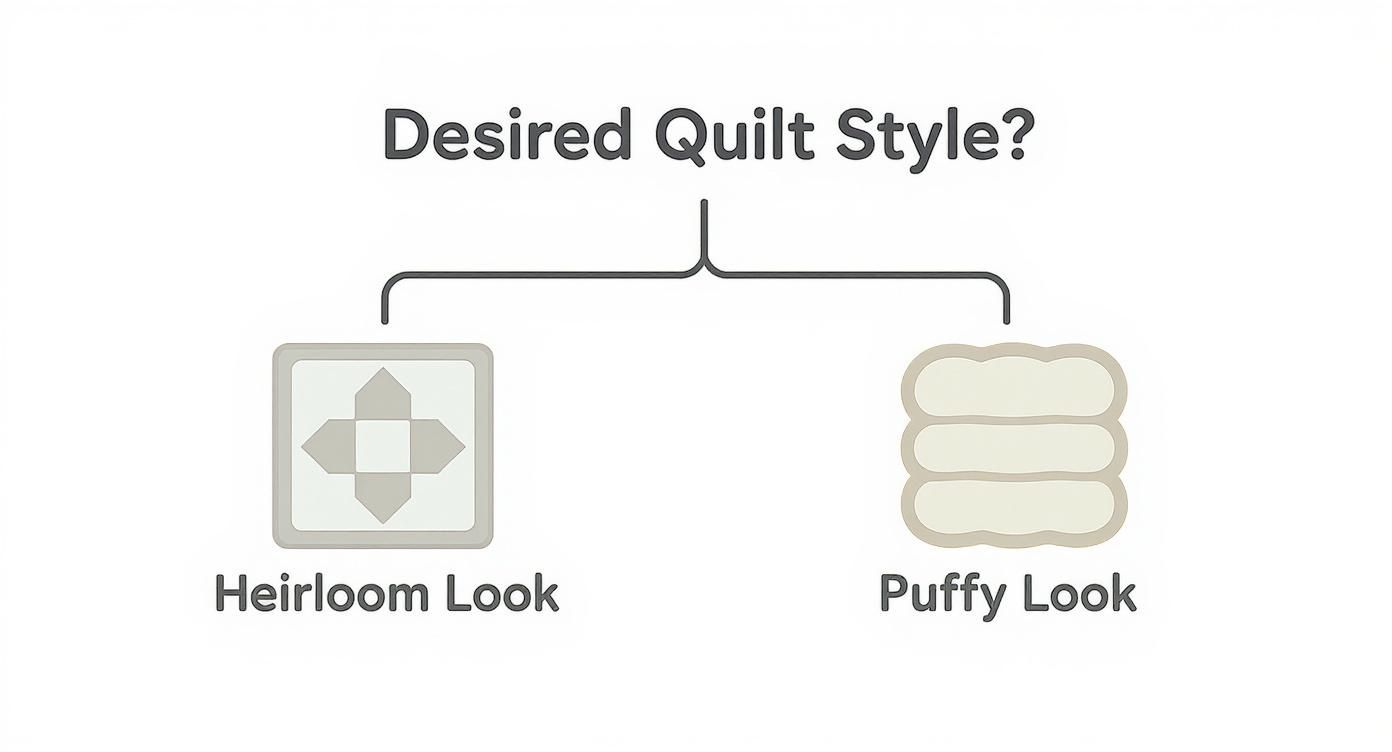
As you can see, achieving that flat, traditional heirloom look really starts with choosing a batting like cotton, which naturally creates that effect.
The Dependable Workhorse: Cotton-Poly Blends
What happens when you combine the best of both worlds? You get a cotton-polyester blend, most often an 80% cotton and 20% polyester mix. This blend is a massive favorite among longarm quilters and everyday hobbyists for very good reasons. It gives you the softness and breathability of cotton while borrowing the strength and stability of polyester.
This blend shrinks much less than 100% cotton, which means you get a slightly smoother finish while still enjoying a gentle, soft drape. It’s also often more affordable, making it an excellent all-purpose choice for a huge range of projects, from couch throws to charity quilts.
If you're looking for a deeper dive into the different options available, our guide on the types of quilt batting offers a really comprehensive overview.
A cotton-poly blend provides a perfect middle ground. It gives you much of the classic feel of cotton with the added durability and lower shrinkage of polyester, making it incredibly reliable for machine quilting.
The Lightweight Strength of Polyester
When you need serious durability without the weight, polyester steps into the spotlight. A low loft polyester batting is exceptionally lightweight yet incredibly strong, and it completely resists creasing and shrinkage. This means your quilt will come out of the dryer looking almost exactly as it did going in—no crinkles, no puckers, just a smooth finish.
Because it doesn't shrink, polyester is a fantastic choice for modern quilts, especially those with large areas of negative space where you want the fabric to remain perfectly flat. It’s also a go-to for quilts that will see heavy use and frequent washing, like a child’s bedspread or a picnic blanket, since it holds its shape beautifully and dries in a flash.
The Surprising Warmth of Wool
Don't let the "low loft" label fool you—wool batting packs an incredible amount of warmth into a thin, lightweight package. Wool fibers naturally create tiny air pockets that provide excellent insulation, making it warmer than cotton but somehow feeling much lighter.
It has a beautiful, springy quality that resists creases and drapes magnificently, giving your quilt a truly luxurious feel. Wool is also naturally moisture-wicking, making it a wonderful choice for bed quilts you'll actually sleep under.
Plus, it provides exceptional stitch definition, so it's a favorite for quilters who really want to show off intricate, detailed quilting designs. While it's certainly a premium option, its luxurious feel and lightweight warmth are simply unmatched.
Which Low Loft Batting Material Is Right for You?
Feeling a little overwhelmed by the options? It's totally normal. Each material shines in different situations. This quick comparison table breaks down the key features to help you zero in on the perfect batting for your specific quilt.
| Material Type | Best For | Drape | Warmth Level | Shrinkage |
|---|---|---|---|---|
| 100% Cotton | Heirloom quilts, baby quilts, wall hangings. Anyone wanting that classic "crinkled" look. | Soft and natural, becomes more flexible over time. | Medium. Breathable and comfortable for year-round use. | 3-5% (creates puckering) |
| Cotton-Poly Blend | Everyday quilts, longarm quilting, throws, charity projects. A reliable all-rounder. | Soft with good stability, drapes nicely without being heavy. | Medium. Similar to cotton. | ~1-3% (minimal puckering) |
| Polyester | Modern quilts, kids' quilts, items needing frequent washing. For a smooth, flat finish. | Lightweight and smooth. Can be a bit stiffer than natural fibers. | Good. Offers warmth without the weight. | 0% (no shrinkage) |
| Wool | Bed quilts, show quilts, projects where you want lightweight warmth and beautiful stitch definition. | Excellent. Springy, lofty drape that resists wrinkles. | High. Very warm for its weight, great for cold climates. | ~2-3% (minimal) |
Ultimately, there's no single "best" choice—only the best choice for your project. Think about the quilt's final purpose. Is it a decorative piece, a cozy bed cover, or a durable playmat? Your answer will point you straight to the right material.
How Loft Defines Your Quilt's Final Look and Feel
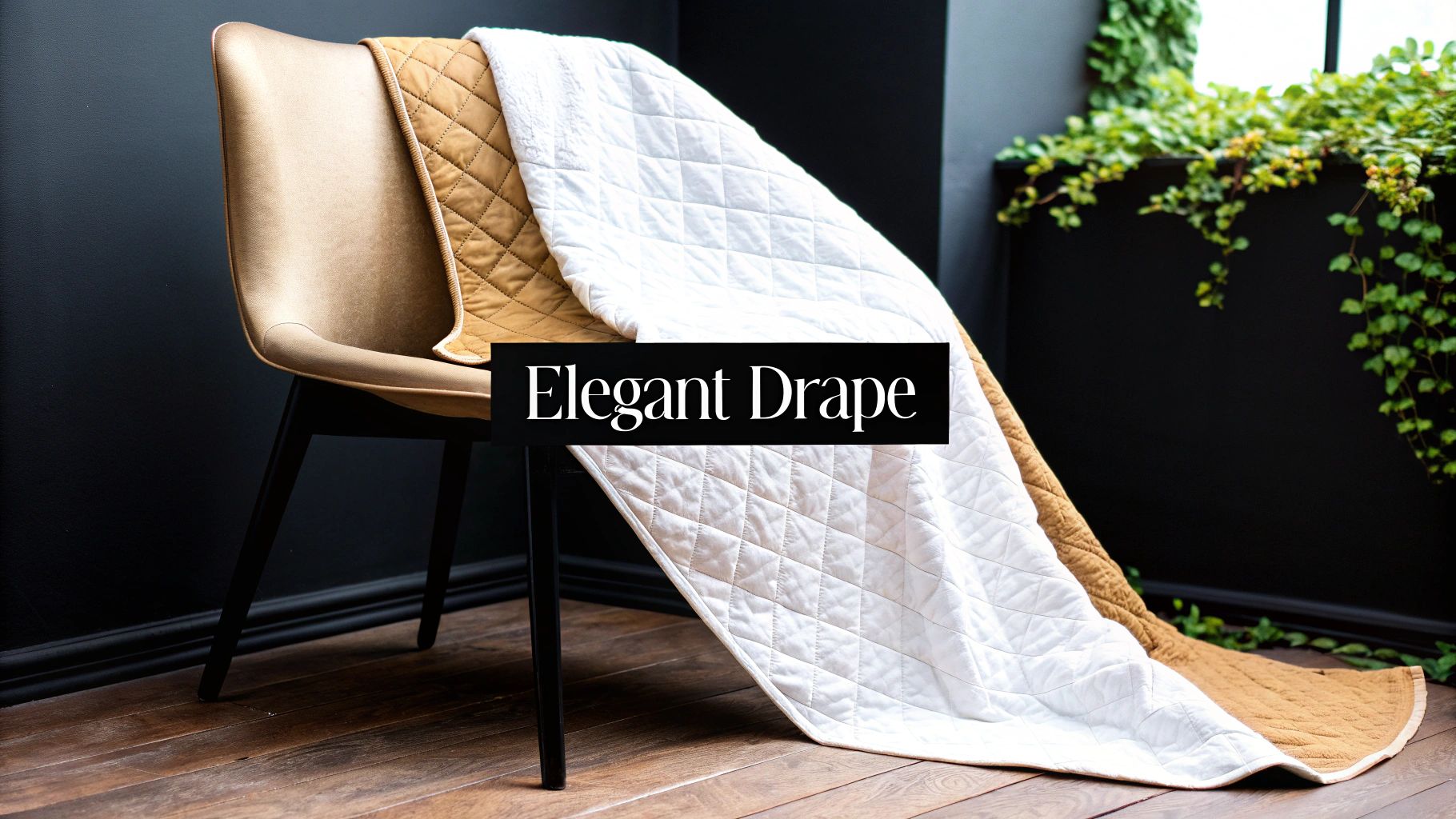
Let's get past the technical jargon. When we talk about "loft," we're really talking about the heart of your quilt: its thickness and fluffiness. But don't let that simple definition fool you—it's one of the most powerful choices you'll make. Choosing a low loft batting is like deciding to paint with a fine-tipped brush instead of a roller. You’re going for detail, precision, and grace.
Think about the way a soft, well-loved blanket drapes. It flows, it bends, it settles comfortably around you. That’s the magic of low loft batting. Because it’s thin and dense, it gives the quilt a fluid, elegant drape that you just can't get with puffy alternatives. It prevents your project from looking stiff or board-like, making it perfect for everything from a bed quilt that contours to your body to a wall hanging that lays beautifully flat.
The Art of Stitch Definition
With low loft batting for quilts, your quilting stitches get to be the star of the show. Imagine the batting is your canvas and the thread is your paint. If you use a thick, puffy batting, your beautiful stitches can sink in and get lost, muddying the intricate designs you worked so hard on.
Low loft batting does the complete opposite. It provides a firm, stable foundation that makes every single stitch pop with crisp, clean definition. This is how you get that gorgeous texture that you can see and feel, turning a simple quilting pattern into a stunning work of art. The subtle shadows cast by the quilting give your project a depth and dimension that high loft batting just can't match.
Low loft batting acts as a stage for your stitch work. It elevates your quilting from a simple structural element to the primary artistic feature, ensuring your skill and creativity are on full display.
This is exactly why it’s the go-to choice for detailed quilting, whether you’re doing intricate free-motion designs or precise ruler work. The end result is a professional, polished quilt where the texture tells as much of a story as the pieced top itself.
The Myth of Thin and Cold
It’s a common misconception: a thinner quilt can’t be a warm quilt. But warmth isn't really about fluff; it's about the insulating power of the fibers themselves. And let me tell you, dense, natural fibers are incredibly good at trapping heat without the bulk.
Here’s how different fibers deliver warmth without weighing you down:
- Wool: Wool fibers create thousands of tiny air pockets that provide amazing insulation. A thin wool-batted quilt is surprisingly warm yet feels incredibly lightweight.
- Cotton: A dense 100% cotton batting gives you that comforting, breathable warmth that’s perfect for year-round use. It keeps you cozy without feeling heavy or suffocating.
- Blends: Cotton-poly blends offer a fantastic balance, combining the breathable warmth of cotton with the lightweight stability of polyester.
So, you can absolutely create a quilt that offers serious warmth without the bulky feel of a comforter. This makes low loft quilts perfect for layering on a bed or for snuggling on the couch—all the coziness, none of the weight. It's the "smart" warmth that modern quilters have come to love.
Why the Pros Prefer a Flatter Finish
You'll notice that the quilting world has really shifted towards the cleaner finish and easier handling of thinner batts. In fact, industry surveys show that roughly 60-70% of machine quilters now prefer low to medium loft batting for their projects. It just makes sense. This trend is all about quilts that not only look fantastic but are also a dream to maneuver under both a domestic sewing machine and a longarm.
As a nice bonus, this preference aligns with eco-friendly trends, as manufacturers continue to develop more sustainable low loft batting products with fewer chemical treatments. Learn more about the latest batting industry trends.
Ultimately, when you choose a low loft batting, you’re using loft as a creative tool. You're making a conscious decision to prioritize a beautiful drape, highlight your amazing stitch work, and achieve that classic, timeless aesthetic. It’s about bringing your vision to life with precision and beauty.
Getting It Right: Quilting with Low Loft Batting
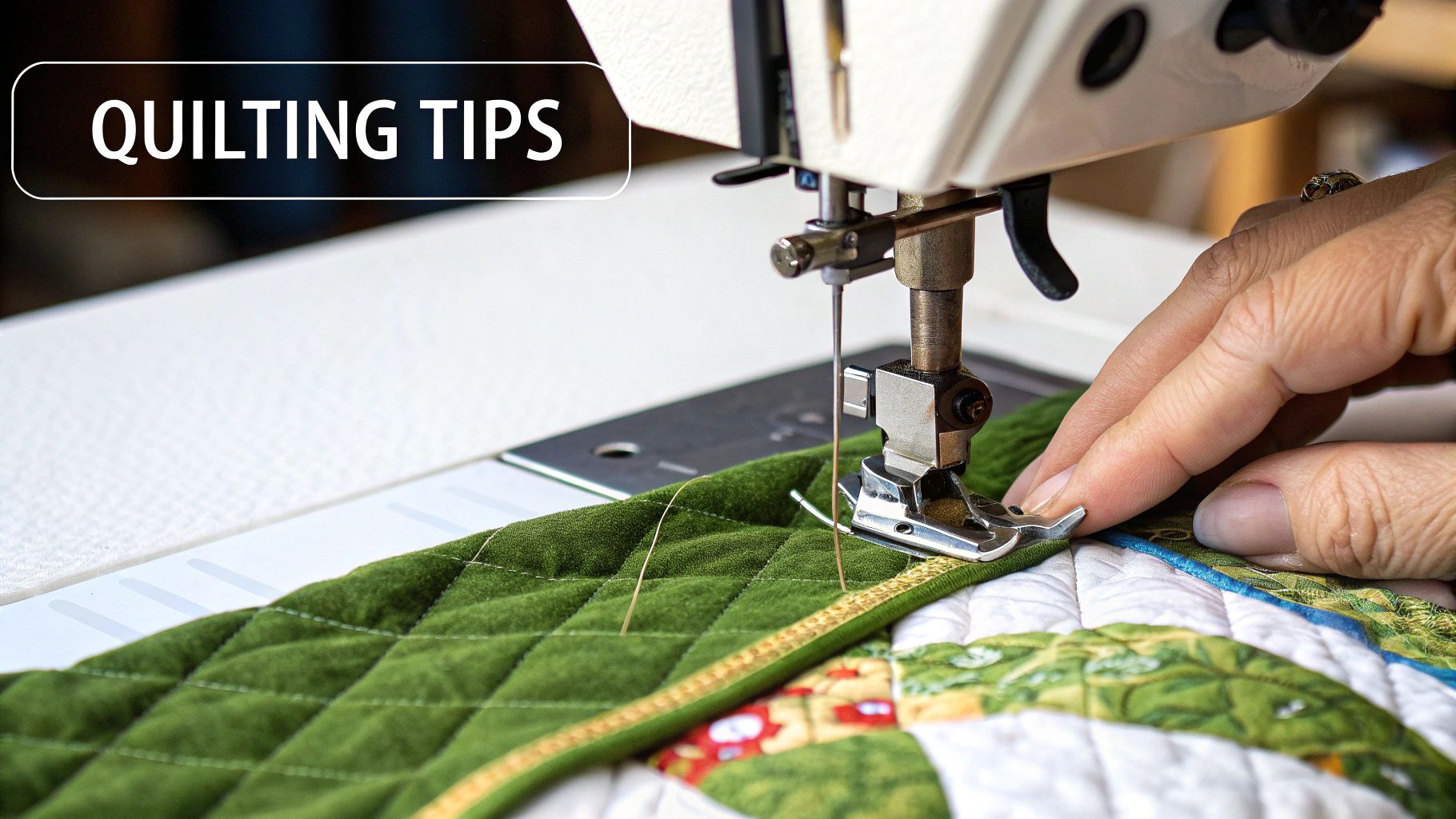
There's something incredibly satisfying about working with low loft batting. It really lets your piecing and stitch work shine. But because it’s so thin, you have to be a little more deliberate in your technique to get those crisp, professional results we all crave.
Think of it this way: you're just tailoring your approach to fit the material. A few small adjustments are all it takes to avoid common headaches like puckering or skipped stitches and make the whole process a lot more enjoyable.
It All Starts with the Right Tools
The single most important tool in your arsenal here is your sewing machine needle. Low loft batting might be thin, but it's often quite dense. A dull or wrong-sized needle is going to fight its way through the layers instead of gliding, which is the number one cause of skipped stitches and shredded thread.
So, rule number one: always start a new quilt with a fresh needle. For most low loft projects, you can't go wrong with a sharp 80/12 or 90/14 Quilting needle. They have a special tapered point designed to cleanly pierce multiple layers without snagging the fabric or batting fibers.
Taming Your Machine's Tension
Getting your tension just right is a bit of a balancing act, and thin batting doesn't give you much wiggle room. If the top tension is cranked too high, it'll yank the bobbin thread right up to the surface, creating ugly little puckers on your quilt top. Too loose, and you'll get sloppy loops on the back.
Pro Tip: Never, ever start quilting on your final project without doing a test run. Grab some scraps of your top fabric, backing, and the exact batting you're using to make a small practice sandwich. Stitch a few lines and really look at them. Keep tweaking your top tension until the stitches lock perfectly in the middle of the layers. This little five-minute check can save you hours of frustration with a seam ripper.
A good starting point is to lower your machine’s top tension just a touch from its standard setting. Often, that's all it takes to get that beautiful, balanced stitch that looks great from both sides.
Why Your Basting Technique Is Crucial
With less fluff to hold everything in place, a rock-solid baste is non-negotiable. If your quilt top, batting, and backing can shift around, you’re guaranteed to get tucks and folds as you quilt. Unlike puffy batting, low loft won't hide those little mistakes.
It doesn’t matter if you’re a pinner or a sprayer—the key is to be thorough.
- Pin Basting: Place your safety pins every 3-4 inches (roughly the width of your fist) across the whole quilt. Always start pinning in the center and work your way out to the edges, smoothing the layers as you go.
- Spray Basting: If you use an adhesive spray, apply a light, even mist. It’s best to work in small sections, smoothing each area down carefully before you move on to the next. This gives you amazing stability without adding any bulk.
If you want a deeper dive into getting a perfectly flat quilt sandwich, our guide on how to baste a quilt walks you through the entire process. Trust me, taking your time on this step is the secret to smooth, pucker-free quilting.
How to Choose the Right Batting Size and Format
You’ve figured out which fiber is best for your project—that's a huge step! But the next decision, how you actually buy that batting, is where you can really start quilting smarter, not harder. Thinking strategically about whether to grab a precut package or invest in a roll can save you a surprising amount of time and money down the road.
Let's walk through the options so you can make the best choice for your quilting style.
Navigating Precut Batting Sizes
If you’re a quilter who enjoys making a few special projects a year, precut batting packages are your best friend. They’re designed to be a simple, grab-and-go solution that perfectly matches standard bed sizes. No fuss, no major cutting.
These packages are everywhere and take the guesswork out of the equation. Just match the package to your project.
- Crib (45" x 60"): The go-to for baby quilts, wall hangings, and small lap throws.
- Twin (72" x 90"): Sized just right for a standard twin bed quilt.
- Full/Double (81" x 96"): A perfect fit for most full-sized quilts.
- Queen (90" x 108"): Gives you that generous drape you want on a queen bed.
- King (120" x 120"): The biggest of the bunch, ideal for king and even California king quilts.
Here's a pro tip I always share: no matter what, choose a batting size that’s at least 4 inches larger on all sides than your quilt top. That little bit of extra room is your safety net, giving you a buffer for any shifting or squaring up that happens during the quilting process.
Buying Batting by the Roll
Now, if you find yourself quilting constantly, buying low loft batting for quilts by the roll is a total game-changer. I know the upfront cost can seem a bit steep, but the price per yard drops dramatically, leading to some serious savings over time. There's a reason longarm studios and prolific home quilters almost exclusively buy this way.
Having a big roll ready to go means you can cut exactly what you need for any project, any time. You’re never stuck with a size that’s just a little too small or forced to piece batting together. It cuts down on waste and ensures you’re never caught without the right materials when inspiration hits. For a fantastic side-by-side look at what's available, you can download this handy batting recommendation and specifications chart.
Purchasing batting by the roll transforms your quilting from a project-by-project hobby into a smooth, efficient workflow. It’s a true investment in your craft that pays you back in both time and money.
Exploring Specialty Batting Formats
Beyond the standard precuts and rolls, there’s a whole world of specialty battings out there designed for very specific jobs. These clever options make certain projects so much easier.
One of my favorites is fusible low loft batting. It has a super-thin, heat-activated adhesive on both sides. Instead of messing with pins or spray basting, you just iron your quilt sandwich together. It’s an absolute dream for smaller projects like table runners and placemats where getting everything perfectly lined up is critical.
Another must-have for any kitchen crafter is 100% cotton batting made to be microwave-safe—perfect for whipping up bowl cozies or potato bags. Just be sure to double-check the packaging to make sure it contains no scrims or synthetic fibers. These niche products have really taken off, with specialty low loft battings now making up an estimated 30-40% of sales in some shops. It just goes to show how valuable they are for quilters making smaller, giftable items.
Caring for Quilts with Low Loft Batting
You’ve poured your heart and soul into creating a beautiful quilt, and now it’s time to make sure it stands the test of time. The good news is that caring for a quilt made with low loft batting is pretty straightforward. A little know-how will keep it looking and feeling wonderful for generations to come.
https://www.youtube.com/embed/kOfcFhri0zU
One of the first things quilters worry about is shrinkage. But that gentle, crinkled texture that shows up after the first wash? That’s not a mistake—it’s the magic! This is what gives your quilt that cozy, heirloom look and feel that we all love so much.
Washing and Drying Best Practices
To keep your quilt’s colors vibrant and its fibers happy, always machine wash it on a gentle cycle using cold water. Think of it like giving your quilt a spa day. Stick with a mild, color-safe detergent, as harsh chemicals can be tough on both your fabric and the delicate batting inside.
When it's time to dry, remember this mantra: low and slow. Tumble dry on the absolute lowest heat setting. A neat trick is to toss in a few wool dryer balls; they help fluff things up and can shorten the drying time. For best results, pull the quilt out while it’s still just a little damp and lay it flat to air dry the rest of the way. This is the secret to avoiding stubborn wrinkles.
Pro Tip: Whatever you do, steer clear of high heat! It’s the fastest way to cause too much shrinkage in cotton and wool battings. High temperatures can also melt or damage the delicate fibers, especially if your batting has a scrim for stability.
If you're curious about what makes some battings more stable than others, learning what is scrim in batting can shed some light on why gentle care is so crucial.
Storing Your Quilt Correctly
How you store your quilt is just as important as how you wash it. The enemy here is permanent creases, which can weaken the fabric and batting fibers over the years. A common mistake is tucking quilts away in plastic bins, but this can trap moisture and invite mildew. Nobody wants that.
Instead, follow these simple storage tips to keep your masterpiece in mint condition:
- Roll, Don't Fold: This is the golden rule. If you can, roll your quilt around a clean cardboard tube (an empty wrapping paper tube works great). This prevents sharp, damaging folds from setting in.
- Let It Breathe: If you have to fold it, cushion the folds with some acid-free tissue paper. Then, store the quilt in something breathable, like a clean cotton pillowcase or a purpose-made fabric storage bag.
- Keep It Cool and Dark: Find a spot away from direct sunlight, which is a notorious color-fader. A closet shelf or the space under a bed are perfect spots, as they usually have stable temperature and humidity.
By following these simple steps, you're not just cleaning a blanket; you're preserving a story. Your quilt will stay soft, comforting, and ready for all the snuggles the future holds.
Common Questions About Low Loft Batting
As you get ready to dive into your next quilt, you might have a few questions lingering. It’s completely normal. Let's tackle some of the most common myths and queries I hear about working with low loft batting for quilts. This is your quick-fire guide to quilting with confidence.
Think of this as a conversation we'd have over a cutting table—clearing up any confusion so you can get back to the fun part.
Can I Use Low Loft Batting for a Warm Winter Quilt?
Absolutely! This is probably the biggest misconception out there. People see "thin" and think "cold," but warmth is all about the fiber, not the fluff.
A dense, low loft batting made from 100% wool or cotton is a fantastic insulator. It traps warm air efficiently without being heavy or bulky. Think of it like a high-quality wool coat—it’s sleek, not puffy, but keeps you incredibly warm. These quilts are perfect for layering on a bed for a snuggly winter night without that suffocating feeling you get from a huge, thick comforter.
The secret to a warm quilt isn't thickness; it's the fiber's natural ability to trap air. Low loft wool and cotton are masters at this, delivering exceptional warmth in a sleek, elegant package that drapes beautifully.
Does Low Loft Batting Require More Quilting?
Actually, it's often the exact opposite. Back in the day, traditional battings needed a ton of quilting to keep them from shifting and bunching up inside the quilt. But modern technology has completely changed the game.
Many of today's best low loft battings, especially those with a scrim stabilizer, are incredibly stable. This stability means you can space your quilting lines as far apart as 8 to 10 inches! This freedom is a game-changer for modern and minimalist designs where you want the pattern to shine, not the quilting. Always check the manufacturer's packaging for their specific guidelines, but you'll almost certainly find you have more creative freedom, not less.
Is Low Loft Batting Better for Hand Quilting?
Yes, one hundred percent. For most hand quilters, low loft batting is the holy grail, and for good reason.
Its thin, dense profile lets your needle glide through the quilt sandwich like butter. There’s no fighting or struggling to push through. This makes it so much easier to achieve those small, even, and consistent stitches that are the signature of beautiful hand quilting. You’ll find you have less hand fatigue and way more control over your work compared to wrestling with a thick, lofty batting. It's why it remains the undisputed choice for creating heirloom pieces by hand.
Why Is My Machine Skipping Stitches with This Batting?
Ugh, so frustrating, right? But this is a very common issue, and the culprit is almost always your needle. Because low loft batting is dense, a dull or wrong-sized needle will struggle to pierce it cleanly, causing it to bounce off the fabric instead of forming a proper stitch.
Here’s a quick troubleshooting checklist to get you back on track:
- Change Your Needle: This is your first and most important move. Start fresh with a sharp 80/12 or 90/14 Quilting needle. It's designed to penetrate dense layers without snagging.
- Check Your Basting: Make sure your quilt sandwich is secure. Since the batting is thin, any shifting between the layers can create drag on the needle. A good, thorough basting job can solve the problem instantly.
- Adjust Tension: Sometimes, all it takes is slightly lowering your top thread tension. This can help the stitch form more easily as it moves through those compact layers.
Tackle these simple mechanical fixes, and you'll be back to smooth, beautiful stitching in no time.
Ready to find the perfect low loft batting for your next masterpiece? At Quilt Batting, we specialize in providing high-quality, reliable batting by the roll, perfect for quilters who demand consistency and value.
Explore our collection and get started on your project today!